


Unpaid Invoices in the UAE: Legal Remedies and Business Strategies

Unpaid Invoices in the UAE: Legal Remedies and Business Strategies 2026
Unpaid invoices are one of the most common and disruptive legal problems for businesses operating in the UAE. Whether you are a UAE-based company, a free zone entity, or a foreign business working with clients in Dubai, Abu Dhabi, or Sharjah, delayed and unpaid payments affect cash flow, disrupt operations, and can put entire commercial relationships at risk.
This guide explains the legal remedies available under UAE law, the practical steps businesses can take before escalating to formal debt recovery, and how QLegal Consultants helps companies in the UAE resolve unpaid invoice disputes efficiently and professionally.
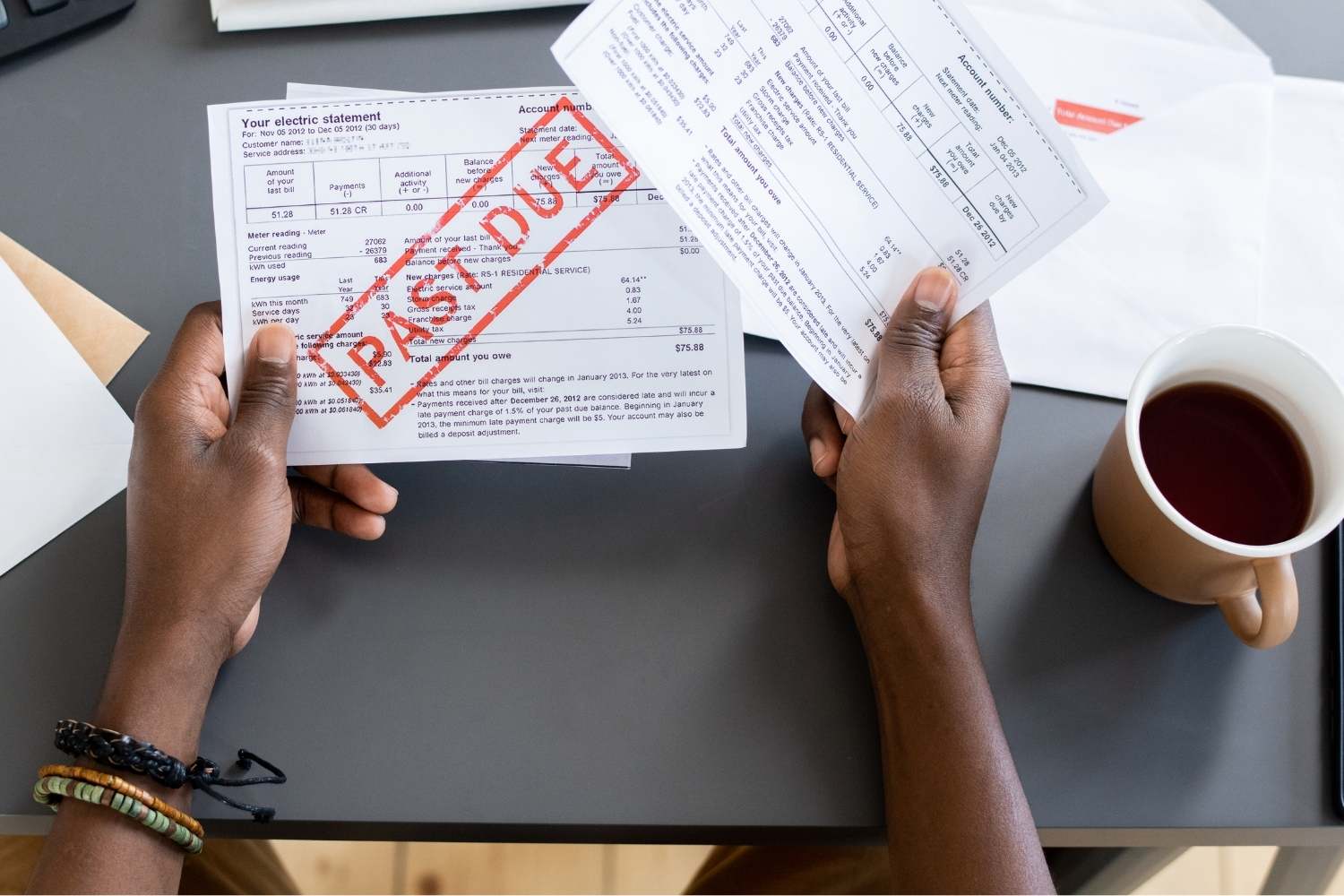
Why Unpaid Invoices Are a Serious Legal Risk in the UAE
The UAE has a clear legal framework for commercial transactions and debt recovery, but many businesses underestimate how important it is to have the right documentation in place before a dispute arises. Unpaid invoices become significantly harder to recover when:
- there is no written contract or signed agreement
- payment terms are vague or absent from the invoice
- delivery or service completion was not properly documented
- the debtor’s legal identity or registered address is unclear
- the limitation period has expired or is approaching
Under UAE law, civil claims related to commercial transactions are generally subject to a 15-year limitation period under Federal Law No. 18 of 1993 (Commercial Transactions Law), while certain commercial claims may be subject to shorter periods. Acting promptly reduces the risk of procedural complications and protects your right to recover the debt.
Key point. The strength of your debt recovery claim depends almost entirely on the quality of your documentation. A clear contract, a signed invoice, proof of delivery, and a record of communication will significantly improve your chances of recovery.
Legal Remedies for Unpaid Invoices in the UAE
Businesses in the UAE have several legal routes to recover unpaid invoices, depending on the value of the claim, the contract terms, the jurisdiction of the debtor, and the urgency of the situation.
1. UAE Civil Courts and Dubai Courts
For most commercial disputes involving UAE-incorporated or mainland-registered entities, the primary route is the UAE civil courts system. Dubai Courts handle commercial cases through the Commercial Court Division. Abu Dhabi Courts and Sharjah Courts operate similarly within their respective emirate jurisdictions.
Filing a civil claim for debt recovery in Dubai or other UAE emirates typically involves:
- submitting the claim and supporting documents to the relevant court
- paying court fees, which are calculated as a percentage of the claimed amount
- attending mediation where required
- obtaining a court judgment in your favor
- enforcing the judgment through asset seizure or bank account freeze if the debtor does not pay voluntarily
UAE courts conduct proceedings in Arabic. Legal representation and certified translation of documents are standard requirements. QLegal supports clients throughout this process, from document preparation to court filing and enforcement.
2. DIFC Courts
The Dubai International Financial Centre (DIFC) Courts are an independent English-language common law court system within the DIFC free zone. DIFC Courts have jurisdiction over disputes between DIFC-registered entities, disputes where both parties have agreed in writing to DIFC jurisdiction, and certain other cross-border commercial matters.
DIFC Courts offer several advantages for commercial debt recovery:
- proceedings and judgments are in English
- common law principles apply, which may be more familiar to international clients
- judgments can be enforced in the UAE and in many international jurisdictions through reciprocal arrangements
- Small Claims Tribunal within DIFC handles lower-value disputes with a simplified process
If your contract includes a DIFC jurisdiction clause, or if your counterparty is DIFC-registered, DIFC Courts may be the most appropriate and efficient forum.
3. ADGM Courts
The Abu Dhabi Global Market (ADGM) Courts operate on a similar model within the ADGM free zone in Abu Dhabi. They apply English common law, conduct proceedings in English, and have jurisdiction over ADGM-registered entities and parties who have agreed to ADGM jurisdiction in their contracts.
For businesses operating in or through Abu Dhabi and dealing with disputes involving ADGM-registered counterparties, ADGM Courts offer a credible and internationally recognised dispute resolution framework.
4. Arbitration
Many commercial contracts in the UAE include arbitration clauses referring disputes to bodies such as the Dubai International Arbitration Centre (DIAC) or the Abu Dhabi International Arbitration Centre (arbitrateAD). If your contract contains such a clause, arbitration may be the required dispute resolution path.
Arbitration in the UAE can offer confidentiality, flexibility, and enforceability of awards under the New York Convention in over 170 countries. However, arbitration is typically more appropriate for higher-value or complex commercial disputes rather than straightforward unpaid invoice claims.
5. Demand Letters and Pre-Litigation Negotiation
Before filing a claim in any court or tribunal, sending a formal legal demand letter is often an effective and cost-efficient first step. A properly drafted demand letter:
- puts the debtor on formal notice
- sets a clear payment deadline
- creates a documented record of the pre-litigation process
- can trigger settlement negotiations that avoid court entirely
- demonstrates seriousness and legal readiness
Many UAE debt recovery situations are resolved at the demand letter stage, particularly when the debtor acknowledges the debt but has delayed payment for cash flow or commercial reasons. QLegal prepares formal demand letters for commercial disputes across the UAE.
6. Debt Collection Agencies
Specialized debt collection agencies operating in the UAE can be engaged as an alternative or complement to legal proceedings, particularly for lower-value claims or where the debtor is an individual rather than a company. However, for significant commercial claims or disputed invoices, formal legal action through the courts or arbitration typically provides stronger and more enforceable outcomes.
Business Strategies to Prevent Unpaid Invoices
Prevention is always more effective than recovery. Businesses that invest in solid commercial documentation and payment structures from the start significantly reduce their exposure to unpaid invoice disputes.
1. Contracts and Written Agreements
Every commercial relationship in the UAE should begin with a signed written contract. A clear contract should specify:
- the scope of work or goods to be supplied
- the agreed price and currency
- payment terms: due date, payment method, and any milestone schedule
- what constitutes acceptable delivery or completion
- dispute resolution: jurisdiction, governing law, and process
- consequences of late payment, including interest or penalty clauses where permitted
Verbal agreements and informal email exchanges are difficult to enforce in UAE courts. A signed contract is the single most important protective document a business can have.
2. Clear Invoice and Payment Terms
Invoices should be issued promptly and include:
- invoice number, date, and due date
- itemized description of goods or services
- total amount due and applicable VAT where relevant
- payment instructions and bank details
- reference to the underlying contract or purchase order
Payment terms should be agreed in the contract and reflected consistently on the invoice. Standard commercial terms in the UAE commonly range from 30 to 60 days net, though this varies by industry and counterparty.
3. Payment Milestones and Deposits
For project-based work or large supply contracts, structure payment in milestones rather than a single lump sum payable on completion. Requiring a deposit or advance payment reduces the financial exposure if a dispute arises later. This is particularly important when working with new clients or in industries where payment delays are common.
4. Escrow Arrangements
For high-value transactions or cross-border deals, escrow arrangements can provide an additional layer of protection. Funds are held by a neutral third party and released only when agreed conditions are met. This structure reduces the risk of non-payment significantly.
5. Digital Invoicing and Acknowledgement
Using digital invoicing platforms that track when invoices are opened, viewed, and acknowledged by the recipient creates a timestamped record that can be valuable in a dispute. Email confirmations, read receipts, and WhatsApp acknowledgements should all be retained as part of your payment correspondence file.
6. Know Your Client
Before entering a significant commercial relationship, verify the legal identity and registration details of your counterparty. Check their trade licence, confirm their registered address, and verify that the person signing the contract has authority to bind the company. In the UAE, this information is available through official business registration databases or can be confirmed through a legal due diligence check.
Legal Steps Before Escalating a Debt Recovery Claim
When an invoice becomes overdue, taking the right steps in the right order protects your legal position and improves your recovery prospects.
- Step 1. Review the contract and confirm the payment terms
- Step 2. Check the invoice for accuracy, correct amounts, and proper documentation
- Step 3. Gather proof of delivery, service completion, or acceptance
- Step 4. Review all correspondence with the debtor regarding the unpaid amount
- Step 5. Confirm the debtor’s correct legal identity and current registered address
- Step 6. Check the jurisdiction and dispute resolution clause in the contract
- Step 7. Send a formal demand letter with a clear payment deadline
- Step 8. Assess whether to proceed through UAE courts, DIFC, ADGM, or arbitration
At QLegal, we review all of these elements before advising clients on the most appropriate route. Acting without a full picture of the documentation and jurisdictional position can lead to procedural errors that delay or complicate recovery.
How QLegal Consultants Helps with Unpaid Invoices in the UAE
QLegal Consultants is a UAE-based legal and business consultancy with experience in commercial disputes, debt recovery, and corporate legal support across the UAE. We work with businesses of all sizes, from SMEs and startups to international companies with UAE operations.
Our debt recovery and unpaid invoice services include:
- reviewing your contract, invoices, and supporting documentation
- advising on the most appropriate legal route based on your specific situation
- preparing and sending formal demand letters
- representing clients in pre-litigation negotiations and settlement discussions
- supporting UAE court filings and proceedings in Dubai, Abu Dhabi, Sharjah, and other emirates
- advising on DIFC and ADGM jurisdiction and proceedings
- assisting with judgment enforcement and asset recovery
We also help businesses put in place stronger contracts, payment terms, and documentation practices to reduce the risk of unpaid invoices in future commercial relationships.
Key point. If you are dealing with an unpaid invoice in the UAE, or if you want to strengthen your commercial documentation to prevent payment disputes, contact QLegal today for a confidential consultation.
Contact QLegal: Debt Recovery and Unpaid Invoice Advice in the UAE
QLegal Consultants provides practical legal and commercial support for businesses dealing with unpaid invoices and debt recovery across the UAE, including Dubai, Abu Dhabi, Sharjah, and the Northern Emirates.
To discuss your situation with our team, contact us via WhatsApp, email, or through our website at qlegal.ae. We typically respond within one business day and can advise on the right approach for your specific case.
Contact QLegal Consultants today for tailored UAE legal support. Discuss a Debt Recovery Matter via WhatsApp.
Call / WhatsApp: +971 56 991 6077
Email: info@qlegal.ae
Location: Dubai, United Arab Emirates
** Disclaimer: This article is for general informational purposes only and does not constitute legal advice. You should seek advice from a qualified UAE legal professional before taking action.**

FAQ: Unpaid Invoices in the UAE
What can I do if a client does not pay an invoice in the UAE?
How long do I have to file a debt recovery claim in the UAE?
Do I need a written contract to recover unpaid invoices in the UAE?
Can I recover unpaid invoices through DIFC Courts in Dubai?
What is a demand letter and does it help with debt recovery in the UAE?
What documents do I need for a debt recovery claim in the UAE?
How can QLegal help with unpaid invoices in Dubai and the UAE?


